.png)


DMT: The Science, Spirit, and Mystery of the “Spirit Molecule”
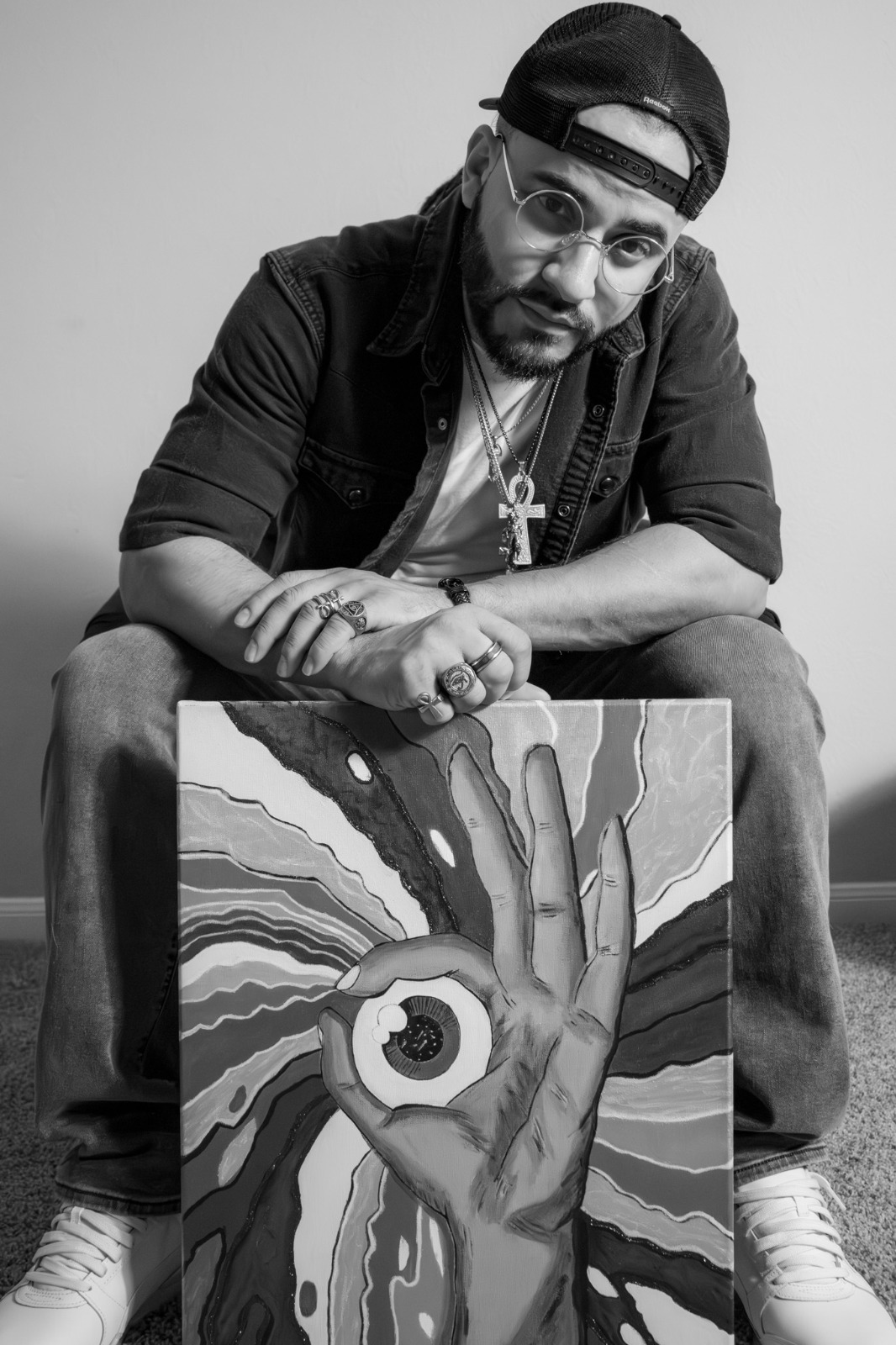

Dimethyltryptamine (DMT) is one of the most intriguing and controversial compounds ever studied by modern science, spirituality, and anthropology. Celebrated by some as a gateway to higher consciousness and examined by scientists as a tool for understanding the brain, DMT sits at the crossroads of neuroscience, mysticism, and human experience.
In this article, you’ll discover:
✔ What DMT is
✔ Where it’s found in nature and the body
✔ Scientific research and limitations
✔ Indigenous and cultural perspectives
✔ The role of the pineal gland debate
✔ Responsible, evidence-based perspectives
What Is DMT? A Scientific Overview
Dimethyltryptamine (DMT) is a naturally occurring psychedelic tryptamine compound found in many plant species — especially those used in traditional entheogenic brews such as ayahuasca — and in trace amounts in mammals. It acts on serotonin receptors, particularly 5-HT2A, producing intense visual and perceptual effects when administered exogenously (from outside the body). Simon & Schuster
From a biochemical standpoint, DMT resembles other neurotransmitters like serotonin and melatonin — both critical for mood and sleep regulation. This structural similarity explains why it interacts so powerfully with neural circuits tied to perception and consciousness. OPEN Foundation
Endogenous DMT: Is It Produced in the Human Brain?
One of the most compelling questions in DMT research is whether the human body makes DMT naturally — and whether this could play a role in experiences such as dreaming, meditation, or near-death experiences.
What the Research Says
Early studies have detected trace amounts of DMT in human blood, urine, and cerebrospinal fluid, demonstrating it is indeed endogenously present. Psychology Today
Researchers have identified enzymes required for DMT synthesis — including indolethylamine N-methyltransferase (INMT) — in animal brains and even in the pineal gland of rodents. PMC
However, there is no definitive scientific evidence that the human pineal gland releases enough DMT to produce psychedelic states naturally, even during birth or near-death events. Blossom+1
Pineal Gland Speculation vs. Science
Psychiatrist Dr. Rick Strassman, author of DMT: The Spirit Molecule, hypothesized that DMT might originate in the pineal gland and play a role in extraordinary human experiences like near-death phenomena. Wikipedia
However, subsequent scientific review suggests:
The pineal gland primarily produces melatonin, not large amounts of DMT.
Any DMT detected in the brain may come from multiple tissues or pathways, not exclusively from the pineal gland.
The quantities necessary to induce psychedelic effects are far greater than what the human body likely produces naturally. Blossom
In other words: the “pineal-spirit molecule” idea captures the imagination but remains speculative without firm empirical backing.
Scientific Research and Human Trials
Perhaps the most widely recognized clinical research into DMT was conducted by Dr. Rick Strassman in the 1990s. His federally approved studies at the University of New Mexico administered intravenous DMT to volunteers and documented profound, often mystical experiences. Rick Strassman MD
Key points from this research:
Around 400 doses were administered to nearly 60 volunteers. Rick Strassman MD
Many participants reported intense visionary states, including geometric patterns, feelings of otherworldly presence, and deep spiritual meaning. Simon & Schuster
Strassman described DMT as the “spirit molecule” due to these experiences, though he acknowledged much remains unknown. Rick Strassman MD
DMT in Culture and Indigenous Traditions
DMT has a long history in indigenous cultures — especially in the Amazon rainforest, where plants containing DMT are brewed into ayahuasca. Shamans use it for healing, spiritual guidance, and community rites that often last hours. These cultural frameworks view DMT experiences not as escapism, but as meaningful states of consciousness and interconnectedness with nature and spirit.
Anthropologists like Graham St John have examined how modern culture has adopted, mythologized, and interpreted these traditions, particularly through literature, film, and personalities in popular culture. Equinox Journal
Is DMT a Pathway to Higher Consciousness?
Scientifically, DMT is recognized as one of the most potent psychedelics known. Its effects are dramatic and profoundly subjective, often involving:
Altered perception of time and space
Vivid visionary states
Feelings of interconnectedness or unity
Intense emotional experiences
But it’s crucial to distinguish neurological effects from metaphysical claims. While many individuals describe DMT experiences as transformative, science has not confirmed that these states reflect external dimensions or spiritual realms.
Modern neuroscience suggests that psychedelic experiences may arise from altered brain network connectivity, especially within systems related to the default mode network — a set of brain regions involved in self-referential thought. Psychedelics like DMT may suppress normal ego-centered processes, leading to expanded perception. PMC
Integrating the Mystery — Beyond the Trip
Whether or not DMT is released in the brain naturally, or whether its visions reflect independent realities, the real value lies in the questions it raises:
What is consciousness — and how far does it extend?
How does the brain construct reality?
Can altered states help us understand mental health, trauma, or creativity?
Instead of fascination with sensational claims alone, a balanced approach embraces both the scientific evidence and the personal meaning many derive from expanded states. This perspective prioritizes responsibility, curiosity, and integration.
Final Thoughts
DMT remains one of the most captivating subjects at the intersection of science, spirituality, and anthropology. While many ideas about it — especially regarding endogenous production and metaphysical realms — are still hypotheses, the compound continues to inspire research and transform lives.
At Highsol, we’re committed to exploring consciousness with both open curiosity and grounded evidence, helping you understand the science and the deeper human quest for meaning.


.jpeg)
Comments